February Garden Project: Outdoor Seed-Starting Tips
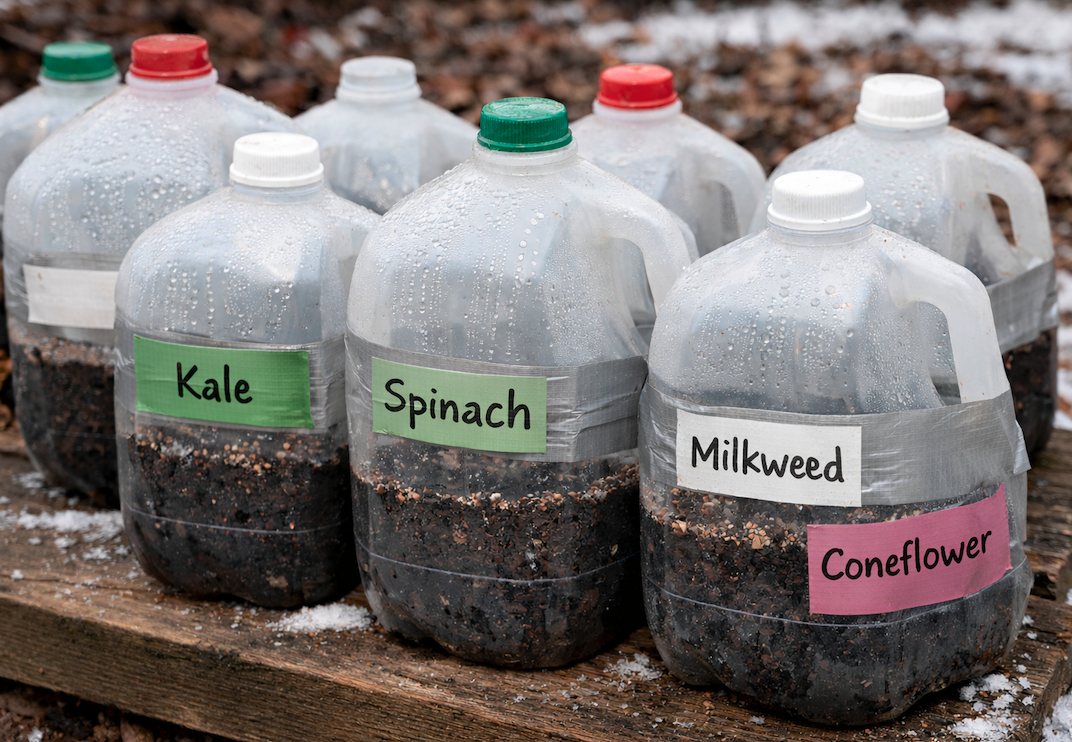
Want an easy, budget-friendly way to start your seeds now and enjoy thriving plants in spring? Try winter sowing — a simple outdoor seed-starting method that uses nature’s freeze-and-thaw cycles to germinate and yield hardier plants, a process called stratification.
What Is Winter Sowing?
It’s planting seeds outdoors in winter inside clear, recycled containers (like milk jugs or plastic takeout clamshells). These mini-greenhouses let light, cold, rain, and snow work together so seeds naturally germinate when conditions are right — no grow lights or indoor space needed.
Why It Works
Nature does the hard work — cold stratification breaks seed dormancy
Seedlings grow strong and are acclimated to the outdoors
You save on indoor space, lights, and fuss
Great for many hardy annuals, perennials, herbs, and natives
How to Do It
Clean a clear plastic container (milk jug or food tub).
Add potting mix and moisten it lightly.
Sow seeds following packet depth notes.
Make drainage holes & label your container.
Place outside during winter in a sunny spot and let nature take over.
Tips
For plastic milk jugs cut almost in half, leaving a sort of hinge to allow for easier access. Use painters or duct tape to seal when finished.
Use recycled clear containers that let sun in
Label what you planted and the date
Seeds will sprout in spring when temperatures rise
What to Start in Zone 7
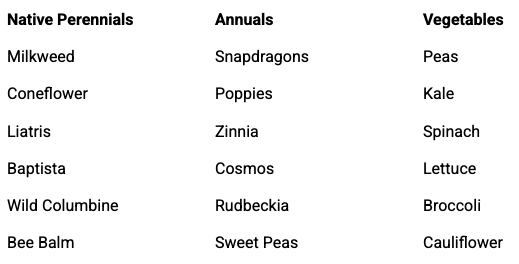
In Zone 7, the ideal time for outdoor seed starting is from December through February, or roughly six to eight weeks before the last frost. Many hardy perennials, annuals and cold-tolerant vegetables benefit from cold stratification, try these:
Zone 7 Tips & Troubleshooting
Sun Exposure Matters: In Zone 7, full South sun on a mild winter day can warm jugs too quickly and dry them out — aim for east or southeast exposure in winter and adjust as spring arrives.
Warm Spells: If we get unseasonably warm winter days (50s–60s), watch moisture closely — seedlings can germinate early and overheat.
Ventilation: Leave the top opening (handle pour spout) open to allow airflow — this reduces mold and overheating.
This method is a great way to jump-start your garden and nurture hardy plants with minimal effort. Perfect for gardeners who want early blooms and healthy transplants without the hassles of indoor seed-starting, which is especially important in more compact urban spaces.
Read more on this topic: Winter Sowing: Short and Sweet Directions (University of Maryland Extension)